


LVFO (Low Viscosity Fuel Oil) – Recycling of Sludge & Slop Oil
LVFO (Low Viscosity Fuel Oil) is a recycled petroleum fuel produced through the treatment and recovery of sludge oil, slop oil, and other petroleum residues generated from industrial and marine operations. This fuel provides a cost-effective and energy-efficient solution for industries requiring reliable fuel for heating systems, boilers, and industrial burners.
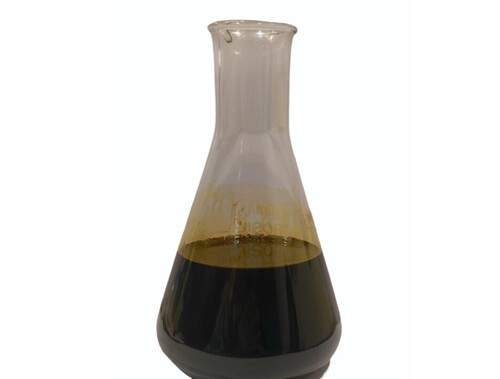
Produced by Merco WLL, part of MERCO Group Bahrain, LVFO is manufactured using advanced oil recovery and refining processes that convert waste petroleum streams into usable industrial fuel. This process helps industries recover valuable hydrocarbons while reducing environmental waste.
Through modern recycling and processing technology, Merco WLL ensures that LVFO meets industrial fuel performance standards while supporting sustainable resource utilization.
Product Overview
LVFO is produced through specialized recycling processes that treat petroleum sludge, slop oil, and oil-contaminated residues collected from storage tanks, refineries, marine operations, and industrial facilities.
During processing, impurities such as water, sediments, and contaminants are removed through advanced separation, filtration, and refining systems. The recovered hydrocarbon components are then refined into Low Viscosity Fuel Oil, which offers improved flow characteristics and efficient combustion.
Compared to heavier residual fuels, LVFO has lower viscosity, allowing easier pumping, handling, and combustion in industrial fuel systems.
Key Characteristics
- Lower viscosity compared to traditional heavy fuel oils
- High calorific value suitable for industrial heating
- Produced through petroleum waste recovery processes
- Improved pumpability and handling properties
- Stable combustion performance in industrial burners
- Cost-effective fuel alternative for heavy industries
- Supports sustainable petroleum resource recovery
These characteristics make LVFO an efficient and environmentally responsible fuel solution for industrial operations.
Industrial Applications
LVFO is widely used across industries that require reliable and economical fuel sources for heating and energy generation.
Typical applications include:
- Industrial boilers and heating systems
- Manufacturing and processing plants
- Power generation facilities
- Cement, steel, and metal industries
- Industrial furnaces and burners
- Marine and mechanical equipment
Its balanced viscosity and high energy content make LVFO suitable for continuous industrial operations.
Recycling Process
At Merco WLL, LVFO is produced using advanced recovery systems designed to process petroleum waste streams efficiently.
The recycling process typically involves:
- Collection of sludge and slop oil from industrial and marine sources
- Separation of water, sediments, and solid contaminants
- Filtration and thermal treatment of recovered hydrocarbons
- Controlled refining to produce low viscosity fuel oil
- Quality testing to ensure consistent fuel performance
This process transforms petroleum waste into valuable energy resources while reducing environmental impact.
Packaging & Supply Options
To support industrial demand and large-scale fuel supply, LVFO is available through multiple distribution formats:
- Bulk tanker supply
- Industrial storage tank delivery
- Flexitank containers
- ISO tank containers
- Bulk vessel shipments for export markets
Flexible logistics allow Merco WLL to supply LVFO to both regional and international industrial clients.
Storage & Handling
For safe and efficient use:
- Store in properly designed fuel storage tanks
- Maintain storage conditions suitable for petroleum fuels
- Protect from water contamination and external impurities
- Follow recommended industrial fuel handling procedures
Proper storage ensures consistent fuel quality and reliable combustion performance.